NEURO VISUAL DYSFUNCTION

Think of your binocular vision system as a car’s engine.
Stress causes wear and tear. Constant screen time, visual strain, and daily stress wear out the eye‑muscle and neuro-pathway “engine,” just as heavy loads wear down the car’s parts. Fatigue, eye strain, headaches, or dizziness are like a flashing engine light, telling you something’s wrong.
Ignoring those signals lets the visual system deteriorate, much as a neglected car eventually stalls. Vision therapy (often with therapeutic lenses) is the tune‑up that restores smooth operation, reducing strain and improving daily tasks.
Addressing binocular vision dysfunction early keeps your “visual engine” running reliably.
97% OF OUR PATIENTS REPORT IMPROVEMENT IN SYMPTOMS
Can NeuroVision help you?
The answer to that question begins with a question.
If you have any of the following symptoms:
-
Headaches
-
Blurred Vision
-
Double Vision
-
Dizziness
-
Nausea
-
Light Sensitivity
-
Intolerance To Seeing Motion
-
Motion sickness when Reading
-
Anxiety in Crowded Places
-
Neck and Shoulder Pain from Vision
-
Peripheral Vision Disturbance
-
Visual Fatigue/Mental Fatigue
-
Poor Balance
-
Reading/Screen Intolerance
-
Motion Sickness
-
Visual Snow
-
Eye Pain
-
Eye Strain
-
Reading Difficulties
-
Poor Depth Perception
…we can help with a functional eye exam for binocular vision problems.
86% OF OUR PATIENTS HAVE IMMEDIATE BENEFIT WITH THERAPEUTIC GLASSES

CASE 1

CASE 2

CASE 3
Chris started having double vision when tired and looking close up, headaches from eye strain, mental fatigue, clumsiness, poor attention to detail, and drifting while walking. He reports that theses symptoms started childhood and have become problematic as an adult.
We performed a functional eye exam to assess for binocular vision dysfunction (BVD), and this is what we found:
What should look like this…

Looked like this to Chris

Amber started having symptoms after having her first child. She noticed difficulty focusing on moving objects, motion sickness with reading, light sensitivity, visual snow, and eye strain headaches.
She thought her vision was fine but when we performed a functional eye exam to assess for binocular vision dysfunction (BVD), this is what we found:
What should look like this…

Looked like this to Amber

Brian started having difficulty with depth perception, and headaches from eye strain at work, along with anxiety when driving. There was no illness or injury associated with the onset of his symptoms. He also reported reading difficulty and occasional double vision.
We performed a functional eye exam to assess for binocular vision dysfunction (BVD), and this is what we found:
What should look like this…
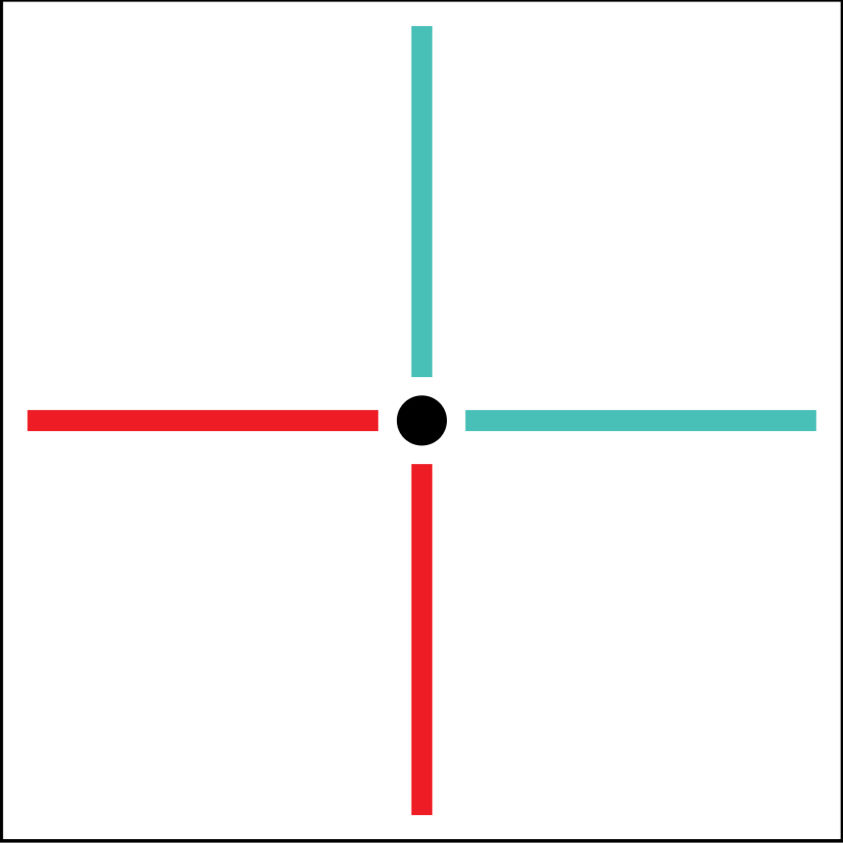
Looked like this to Brian

Proof from our patients
Our Treatment Protocol can include:
1. Therapeutic Glasses:
-
Prescriptions For Focus Change
-
Prescriptions For Near–Point Strain
-
Prescriptions For Eye Alignment
-
Prism Glasses For Midline Shift & Balance
-
Prism Glasses For Double Vision
-
Micro-Prism Glasses
-
Tinted Lenses For Indoors & Outdoors
2. Vision Therapy:
-
Syntonic Photo Therapy
-
NeuroDevelopmental Movement®
-
Neurovisual Training
-
Primitive Reflex Integration
-
Vestibular–Ocular Rehabilitation
IMPROVEMENTS NOTICED BY 3 MONTHS IN THERAPY
Success in Vision Therapy for adults with Binocular Vision Dysfunction (BVD):
At NeuroVision we have the following benchmarks for success:
97% report an improvement in symptoms

Invest in your brain, it is the most valuable investment you can make.
We Work With Insurance To Get Your Evaluation Covered
If your symptoms are a result of an automotive or workplace accident, and you have a current claim in Ontario Canada, we work alongside Health Claims for Auto Insurance (HCAI) and the Workplace Safety and Insurance Board (WSIB) to get your assessment, eyewear, and therapy fees covered by your insurance claim.
A formal referral by another health care professional is not required, but helpful. Please contact us for more information and to get a treatment plan started.