HEADACHES, MIGRAINES & VISION
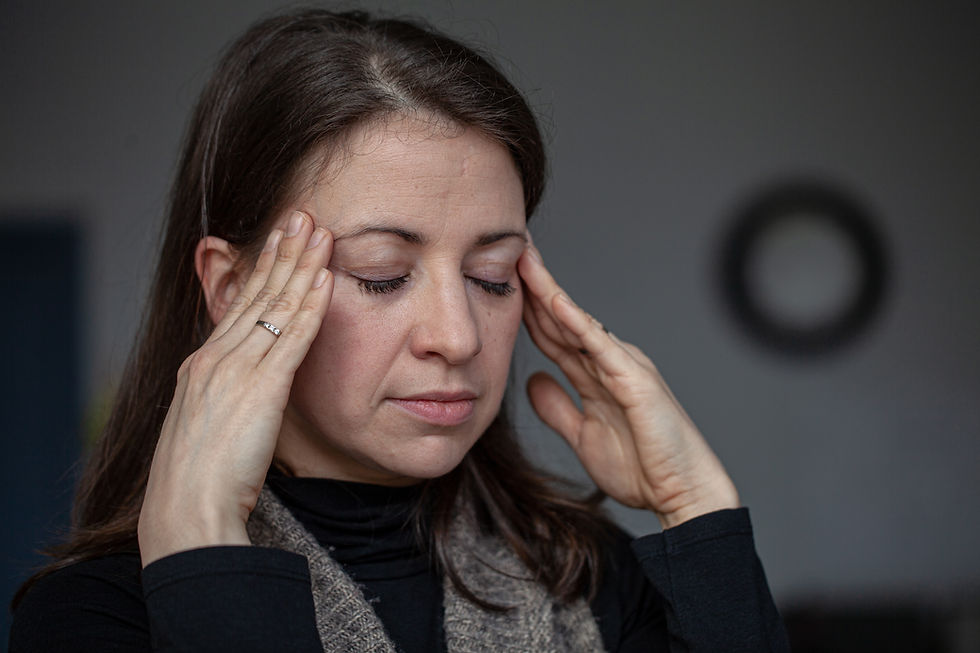
Headaches and vision are related because visual issues like eye strain, uncorrected refractive errors, or eye muscle misalignment can cause the eyes to work harder, leading to headaches. The headaches often result from prolonged focus on tasks like reading or using a computer. More serious conditions, such as optic nerve inflammation, are also linked to both headaches and vision problems. Living with headaches or migraines may impact your ability to work, socialize, or even enjoy simple moments. They can transform ordinary tasks into monumental challenges, interfering with your everyday activities. Whether it’s at work or home, these painful episodes can dampen your energy and affect your mood. If you find that headaches and migraines interfere with your daily activities, you’re not alone. At NeuroVision Clinic, we understand how debilitating headaches and migraines can disrupt your daily life.
HOW NEUROVISION CAN HELP
At NeuroVision Clinic, our mission is to provide specialized vision therapy that addresses these issues with either a prescription for specialized therapeutic glasses or active vision therapy.
Here's how we can help with headaches:
Eye strain (asthenopia): Eye strain headaches from prolonged focusing, reading, or screen use can overwork the eye muscles, leading to tension headaches.
Uncorrected refractive errors: Nearsightedness, farsightedness, or astigmatism force the eyes to work harder to focus, which can trigger headaches.
Binocular vision dysfunction: Poor eye coordination or alignment (e.g., convergence insufficiency) makes the brain work harder to fuse images, often causing eye strain and headache.
Accommodative problems: Difficulty adjusting focus between near and far objects can create visual fatigue, contributing to frontal or temple headaches.
Poor Eye Teaming: When the eyes don't work together properly due to an underlying Binocular Vision Dysfunction, there can be additional eye strain, causing headaches.
We work closely with our patients to evaluate their unique situations and develop personalized treatment plans aimed at reducing discomfort and improving daily functioning. Our goal is to restore clarity and ease into your life, enabling you to engage fully with the world around you.
Common vision-related headaches:
Other connections:
Headaches can be triggered or influenced by many non-vision-related factors, spanning neurological, physiological, and lifestyle causes. Some key connections include:
Stress and anxiety: Chronic stress increases muscle tension, alters hormone levels, and affects blood flow, all of which can contribute to tension headaches or migraines.
Sleep disturbances: Poor sleep quality, insomnia, or irregular sleep schedules can trigger headaches and reduce the brain’s ability to manage pain.
Dehydration and diet: Inadequate water intake, skipped meals, or certain foods (like processed foods, caffeine withdrawal, or additives) can precipitate headaches.
Hormonal changes: Fluctuations in estrogen, progesterone, or other hormones—common during menstruation, pregnancy, or menopause—can increase headache frequency or severity.
Neck and musculoskeletal tension: Poor posture, prolonged sitting, or muscle strain in the neck, shoulders, and upper back can lead to tension headaches.
Environmental factors: Loud noises, strong smells, extreme temperatures, or poor air quality can trigger headaches in sensitive individuals.
Medication or substance effects: Overuse of pain medications, certain prescription drugs, alcohol, or stimulants can cause rebound headaches or increase susceptibility to them.
Medical conditions: High blood pressure, sinus infections, infections, or other systemic illnesses can manifest as headaches.
In short, headaches are often multifactorial, and while vision issues are a major contributor, stress, lifestyle, environment, hormonal changes, and underlying medical conditions all play significant roles.